
408
Pepper as ransom
Alaric the Visigoth besieges Rome and demands 3,000 pounds of black pepper as part of the city's ransom. Spice is already currency.
The nutmeg in your chai cost fifteen thousand lives. The pepper in your grinder financed armadas. This is a cooking journal that reads the ledger out loud — and then teaches you to cook with the spice anyway, gloriously.
This is a food blog.
This is a counter-archive with a stove in it.
Every dish is real. Every history is cited. Every spice gets its day in court — and then its place in the pan.
— Udeep, keeper of the ledger
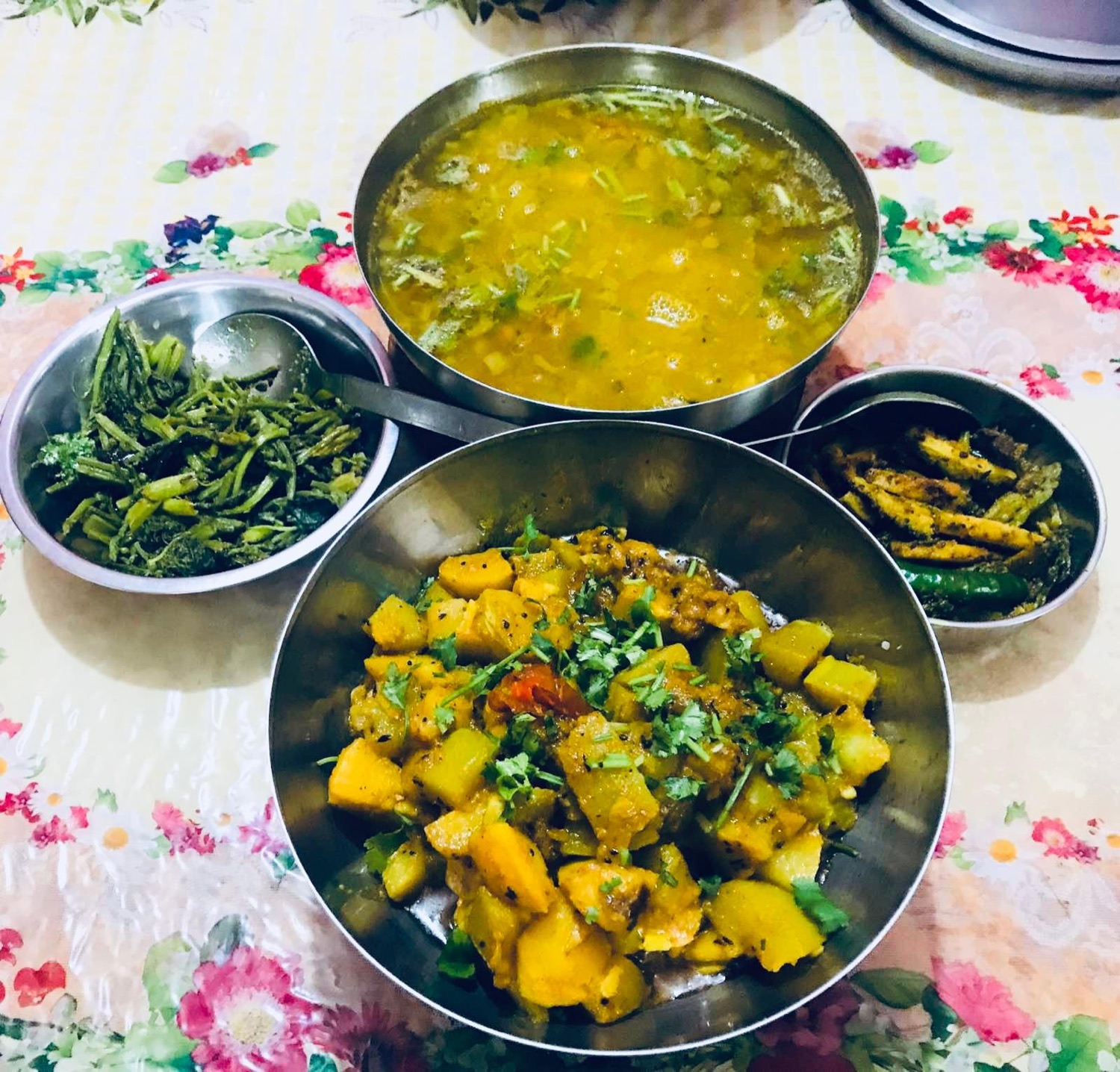
I cook the food I grew up with and read the histories it carries — from my own kitchen and rooftop garden to whichever stove I land at. Everything on this site is real: cooked by hand, photographed as it happened, and served with its ledger open. Pull up a chair.



Nutmeg grew on ten tiny islands and nowhere else on Earth. That fact killed fifteen thousand people.
Rome paid its ransoms in it. Vasco da Gama crossed an ocean for it. Kerala still grows it on its own terms.
A twelve-year-old enslaved boy on Réunion solved the problem that had defeated European botany for 300 years. He died in poverty.
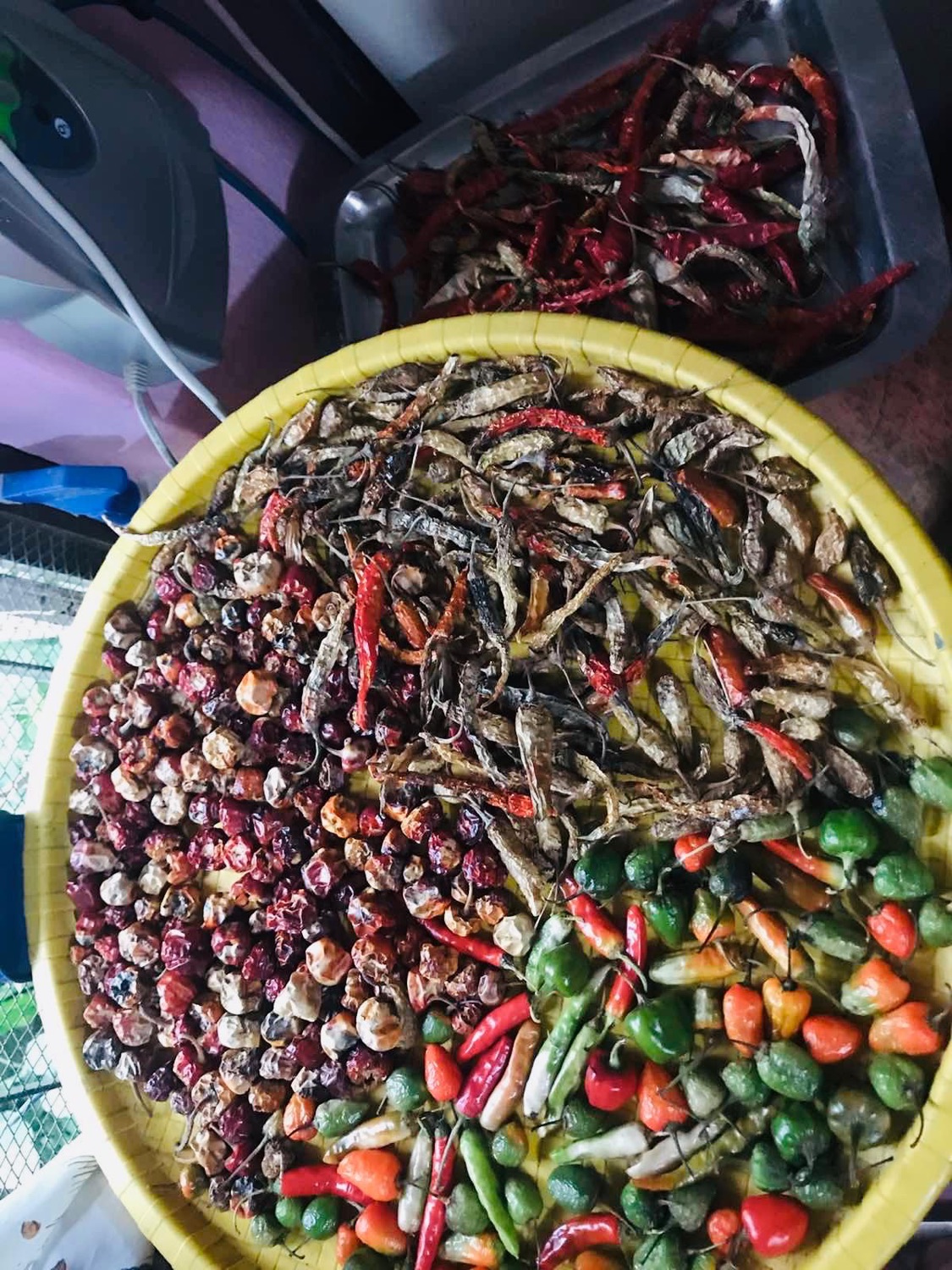
Colonialism carried the chili out of Mexico. Then the colonized world took it, remade it, and never gave it back.
Alaric the Visigoth besieges Rome and demands 3,000 pounds of black pepper as part of the city's ransom. Spice is already currency.
Vasco da Gama lands on the Malabar Coast. "For Christians and spices," his crew reportedly declared. The armed sea-empires begin.
The Dutch East India Company (VOC) is founded — the world's first joint-stock corporation, with private armies and the right to wage war.
Jan Pieterszoon Coen's forces kill, enslave, or deport nearly all 15,000 Bandanese to secure the nutmeg monopoly.
By the Treaty of Breda, England cedes the nutmeg island of Run to the Dutch; the Dutch cede a small island called Manhattan.
Pierre Poivre smuggles nutmeg and clove seedlings out of the Dutch Moluccas — breaking the monopoly with stolen cuttings.
Edmond Albius, twelve and enslaved on Réunion, invents hand-pollination of vanilla. The global industry still uses his gesture.
India overturns a US patent on turmeric's healing properties using ancient texts as prior art — a landmark against biopiracy.