Dal, bhat, tarkari — a civilization in three bowls
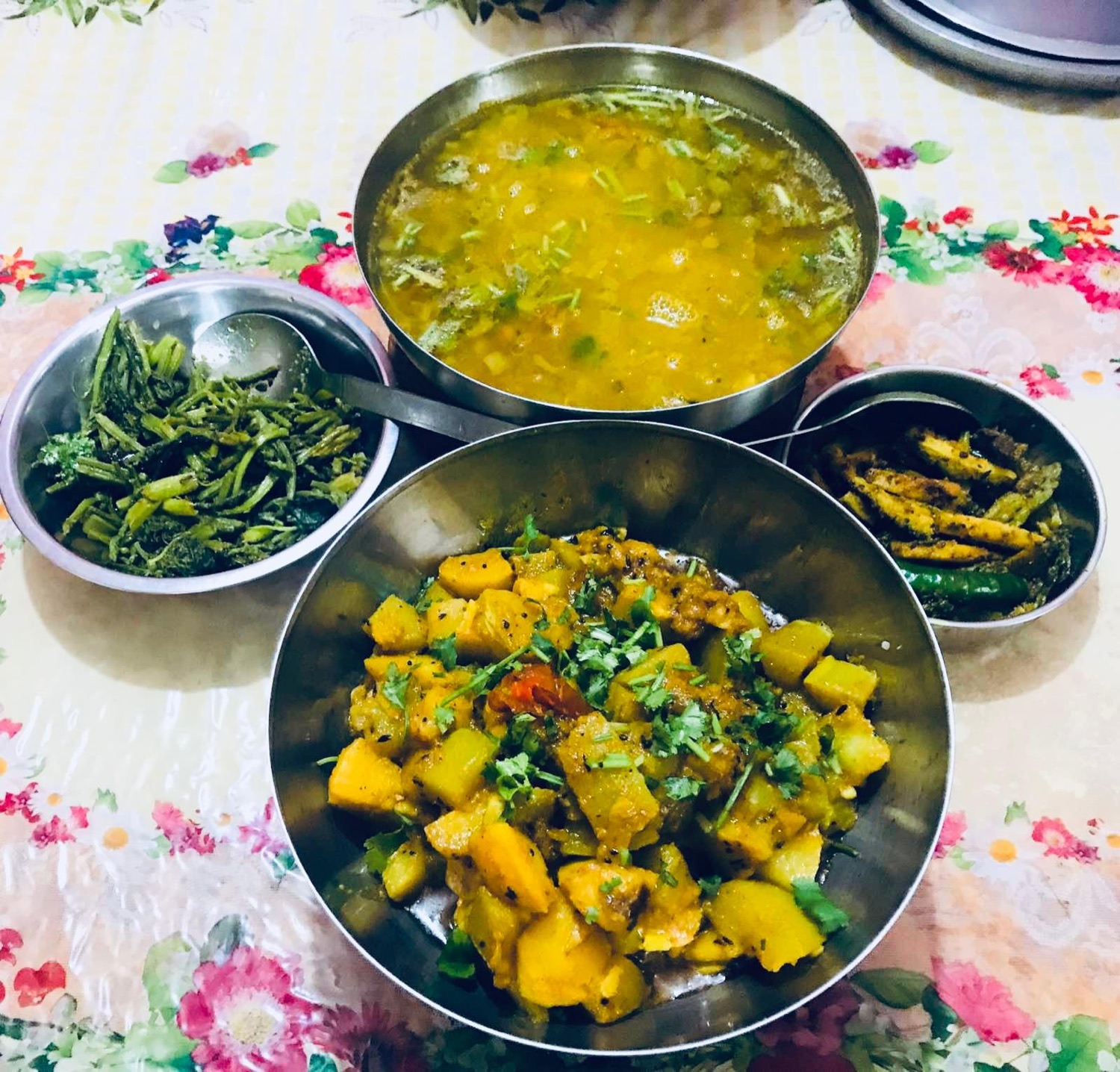
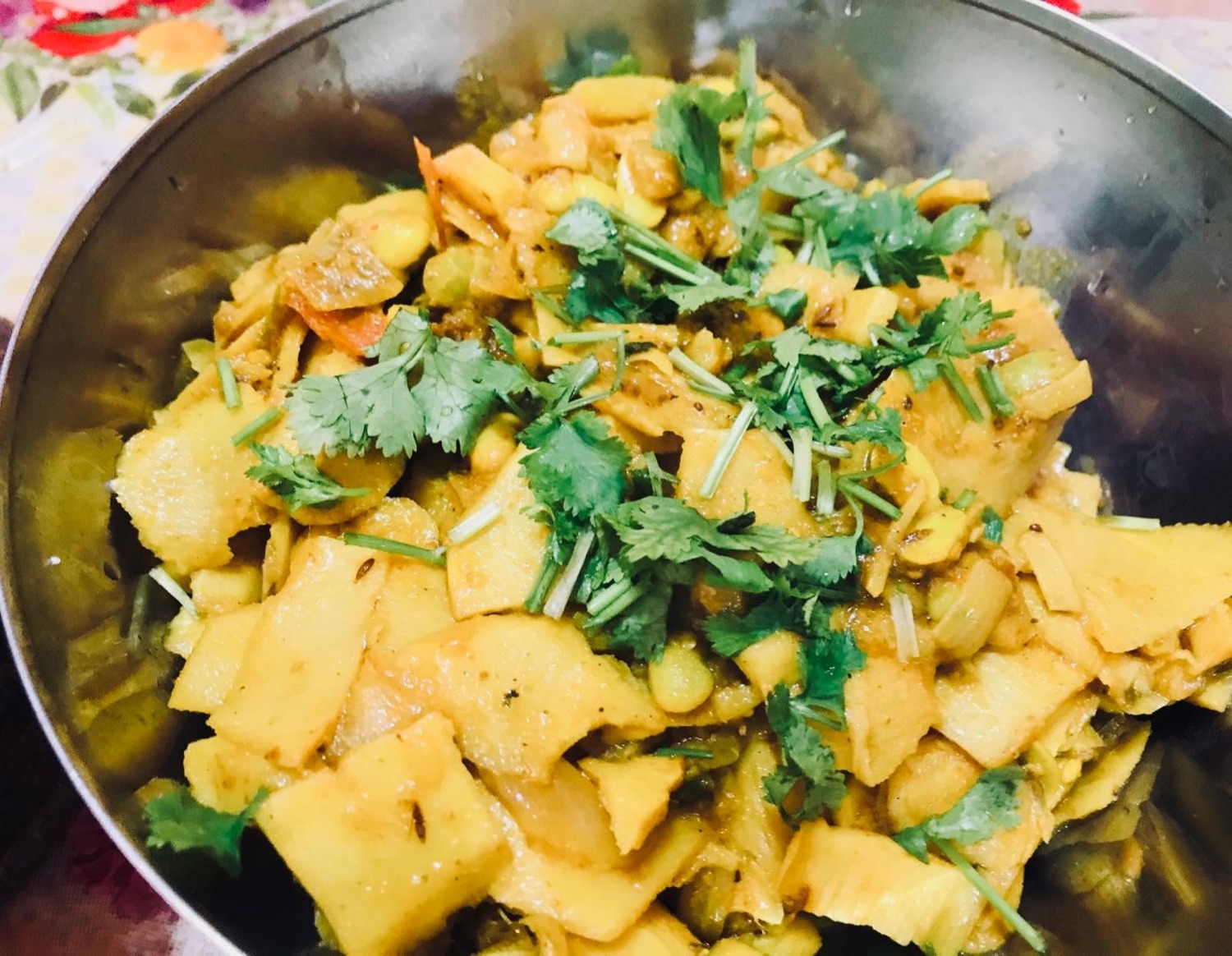
Nepal squeezes eight of the world's ten highest mountains, subtropical plains, and some 125 recognized ethnic groups into a country smaller than Florida. Its everyday genius is the thali: dal, rice, tarkari, saag, achar — refilled until you surrender. But even this plate is political. Rice — bhat — grows in the valleys and was historically the food of status; in the high hills people lived on millet, buckwheat, barley and maize, and were mocked for it. To this day "bhat khayo?" — have you eaten rice? — is simply how Nepali asks "how are you," a greeting that quietly tells you whose food became the standard.
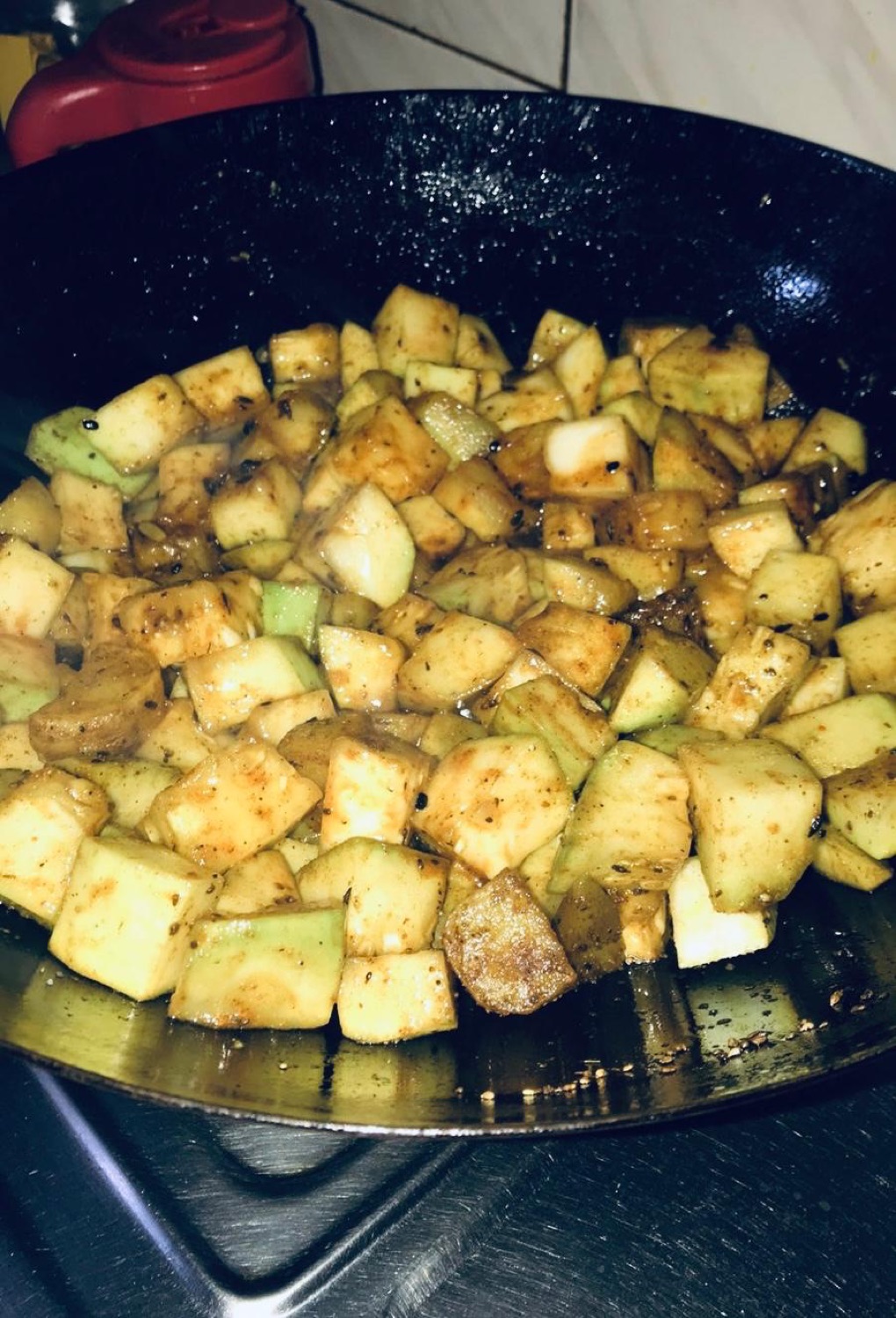
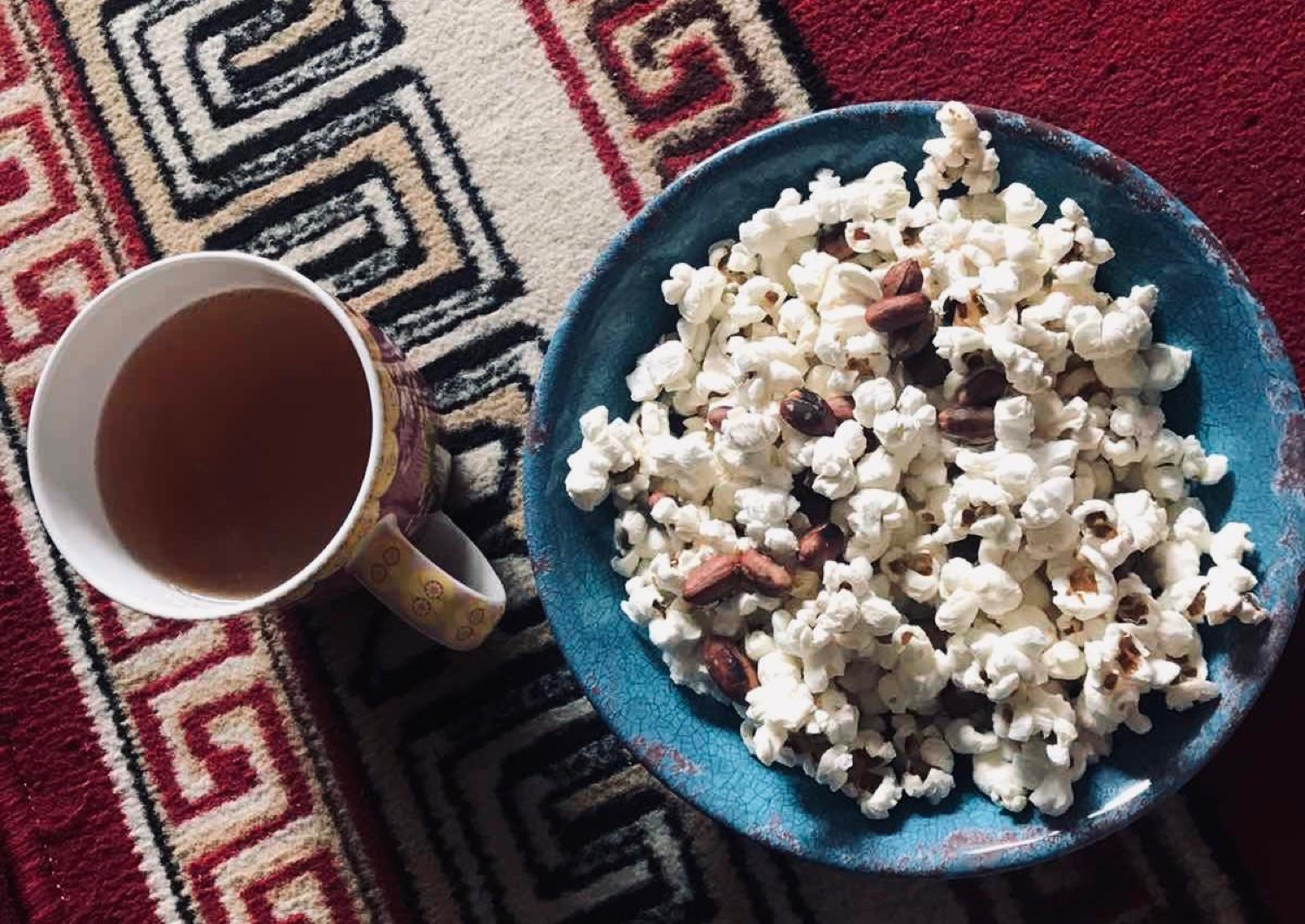
The country that was never colonized — and the people who were
Nepal is proud, rightly, of never having been a European colony. But in 1816 the Sugauli Treaty ended the Anglo-Nepal war by taking roughly a third of its territory and opening a pipeline that still runs: Nepali bodies — Gurkha soldiers — exported to fight Britain's wars. And what empire did from outside, the state sometimes did from within. The Muluki Ain of 1854, Nepal's first legal code, ranked every community in the kingdom into castes — and the measure it used was food: from whom water could be accepted, who could enter a kitchen, whose touch "polluted" cooked rice. Caste in Nepal was literally codified as a set of eating rules.
Untouchability was legally abolished in 1963 and criminalized in 2011 — and it still kills. In May 2020, Nawaraj BK, a 21-year-old Dalit man, and five companions were beaten and driven into the Bheri river in Rukum West for the offense of loving across caste. In many villages Dalits are still barred from the well, still served tea in a separate glass. Every shared plate below is, in that light, not a small thing.
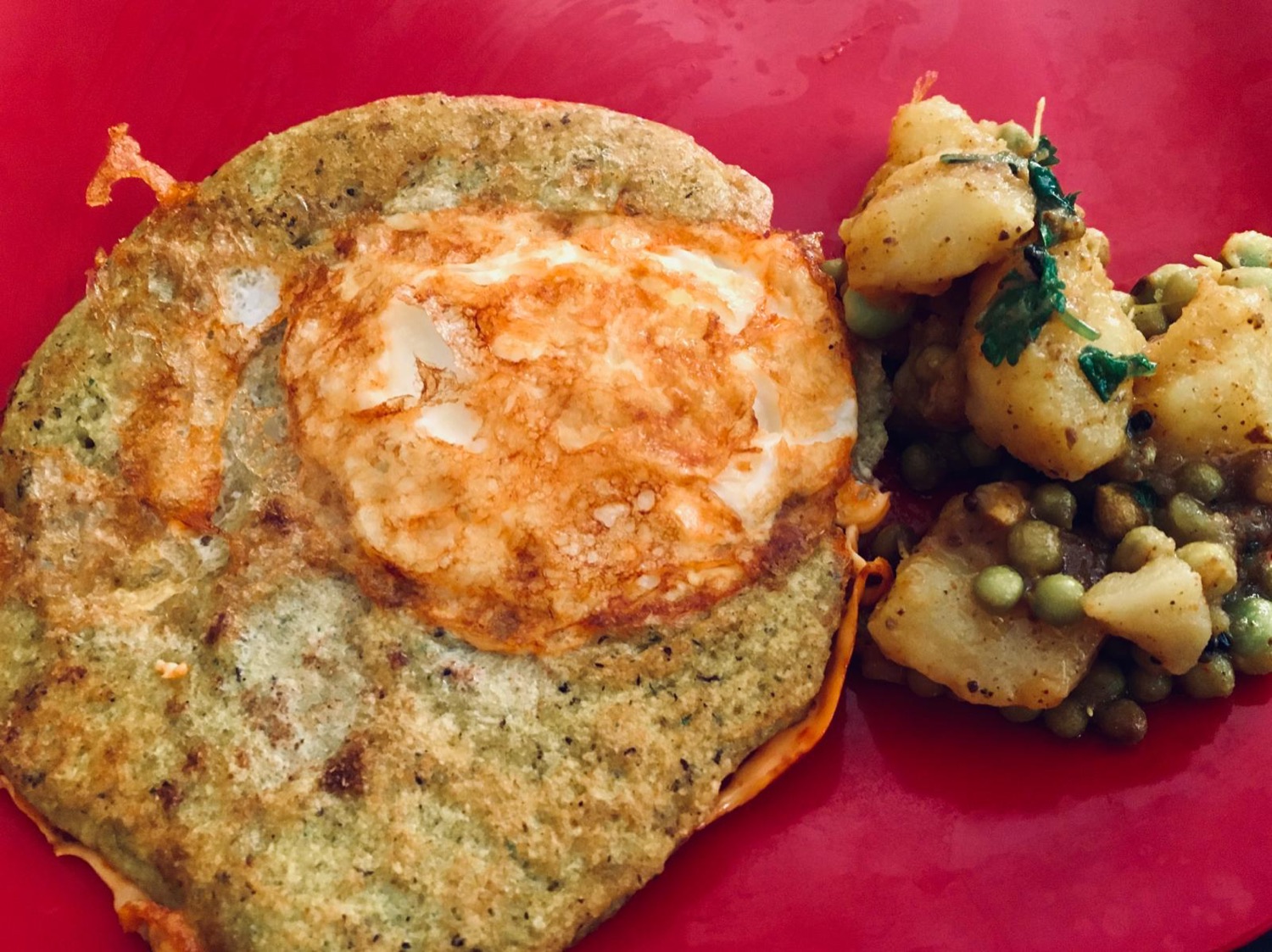
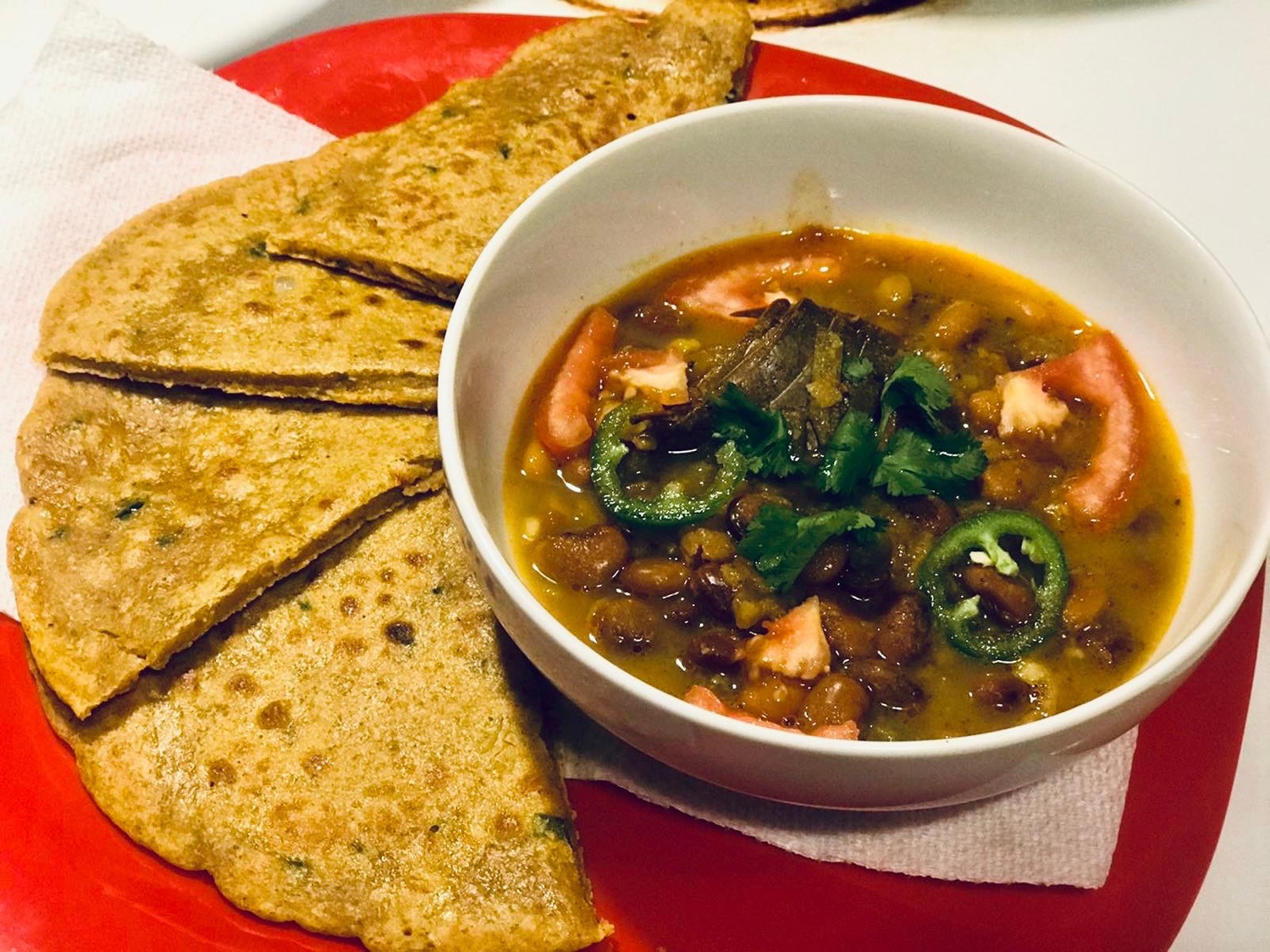
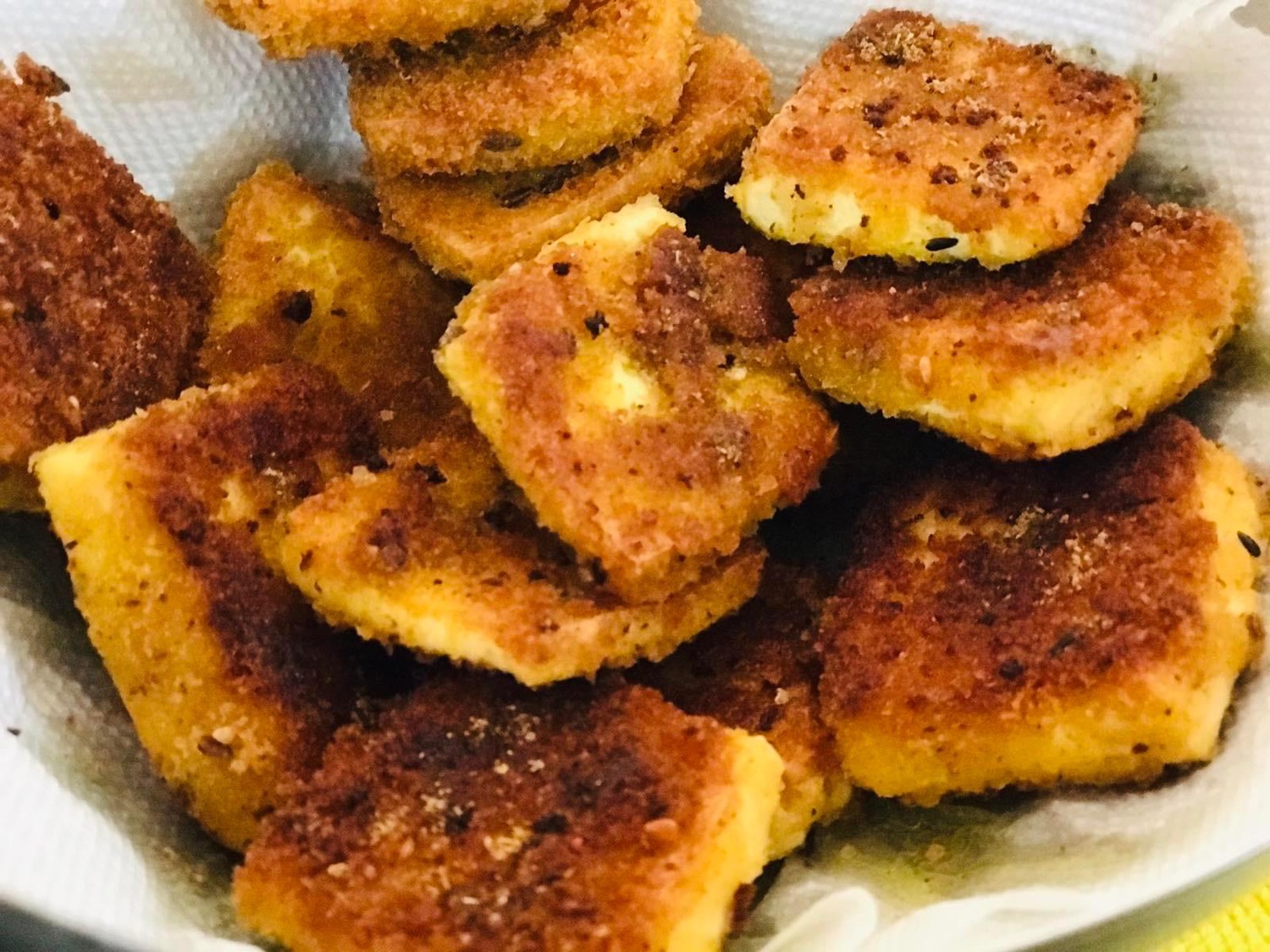
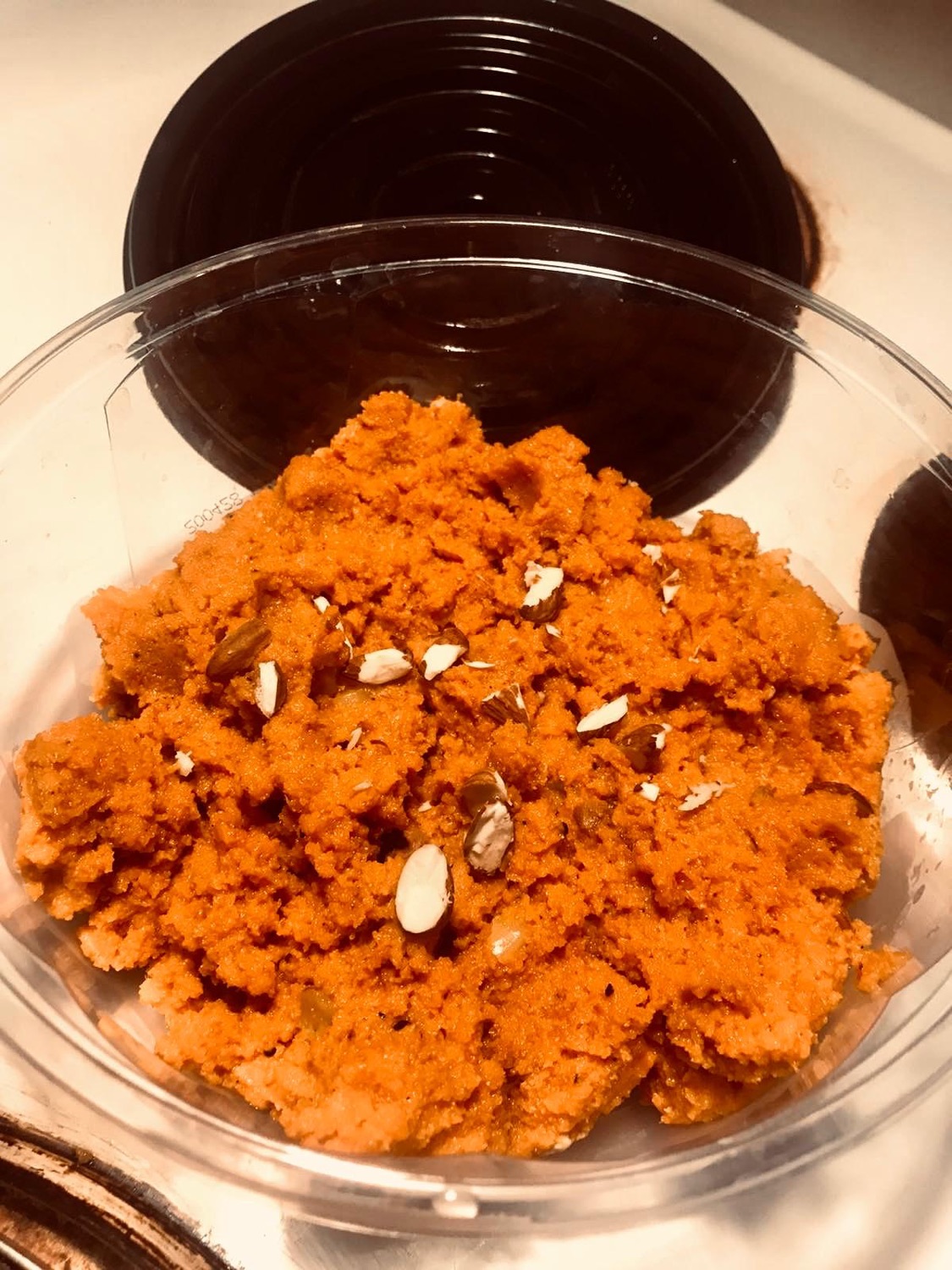
Fermented, foraged, and unforgiven
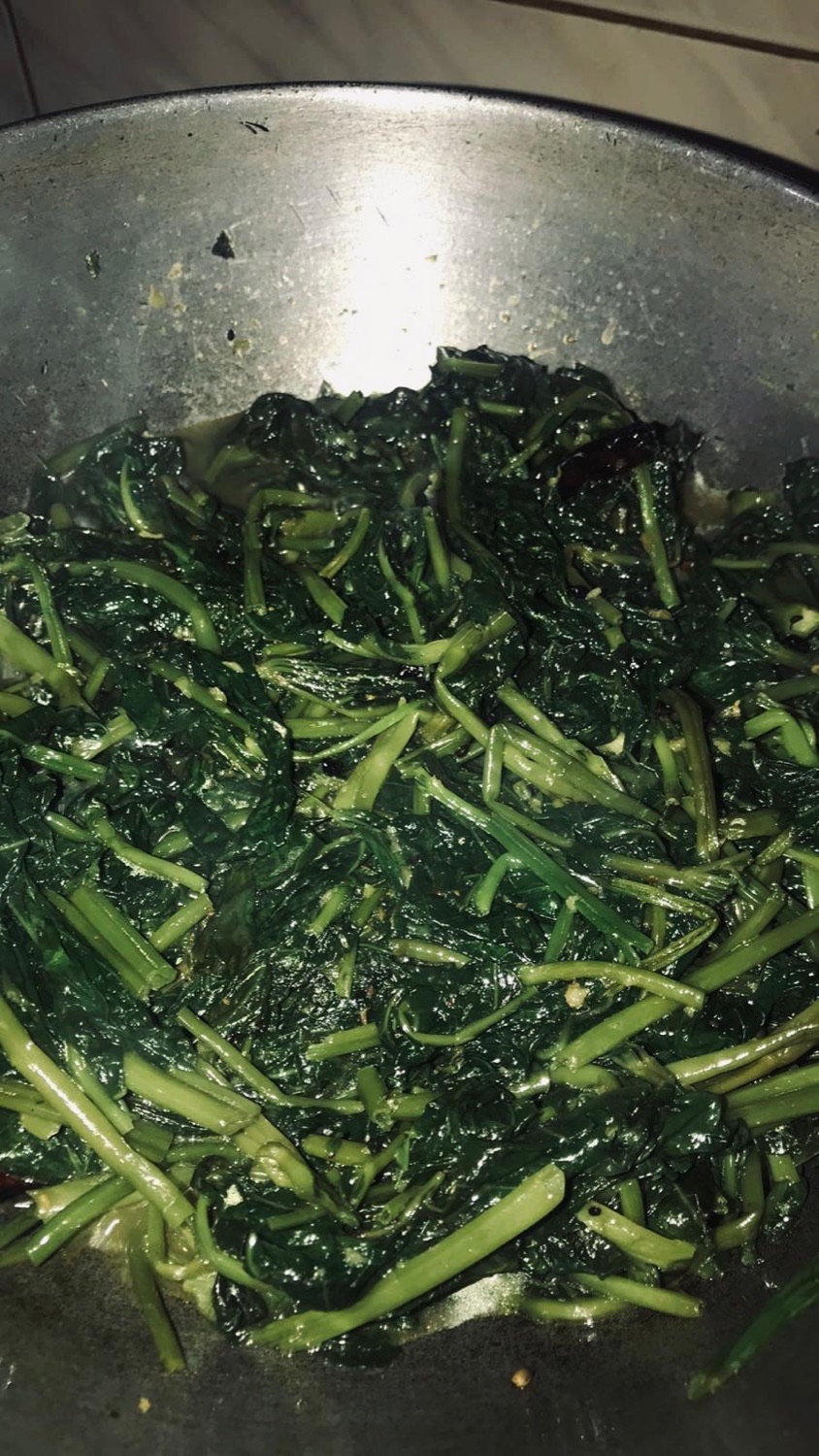
The same 1854 code branded most of Nepal's Indigenous nations — Magar, Gurung, Tamang, Rai, Limbu, Newar and dozens more — as matwali: "alcohol drinkers," defined and demoted by their own food culture. The millet beer and tongba that anchor Himalayan hospitality became legal evidence of inferiority. Gundruk, dhido, sisnu soup — fermented greens, hand-stirred millet porridge, foraged nettle — were sneered at as poverty food. The Tharu people of the plains, who ate snails and freshwater crab from lands they had farmed for centuries, were displaced when those grasslands became national parks, and many were held for generations in kamaiya bonded labor, only outlawed in 2000.
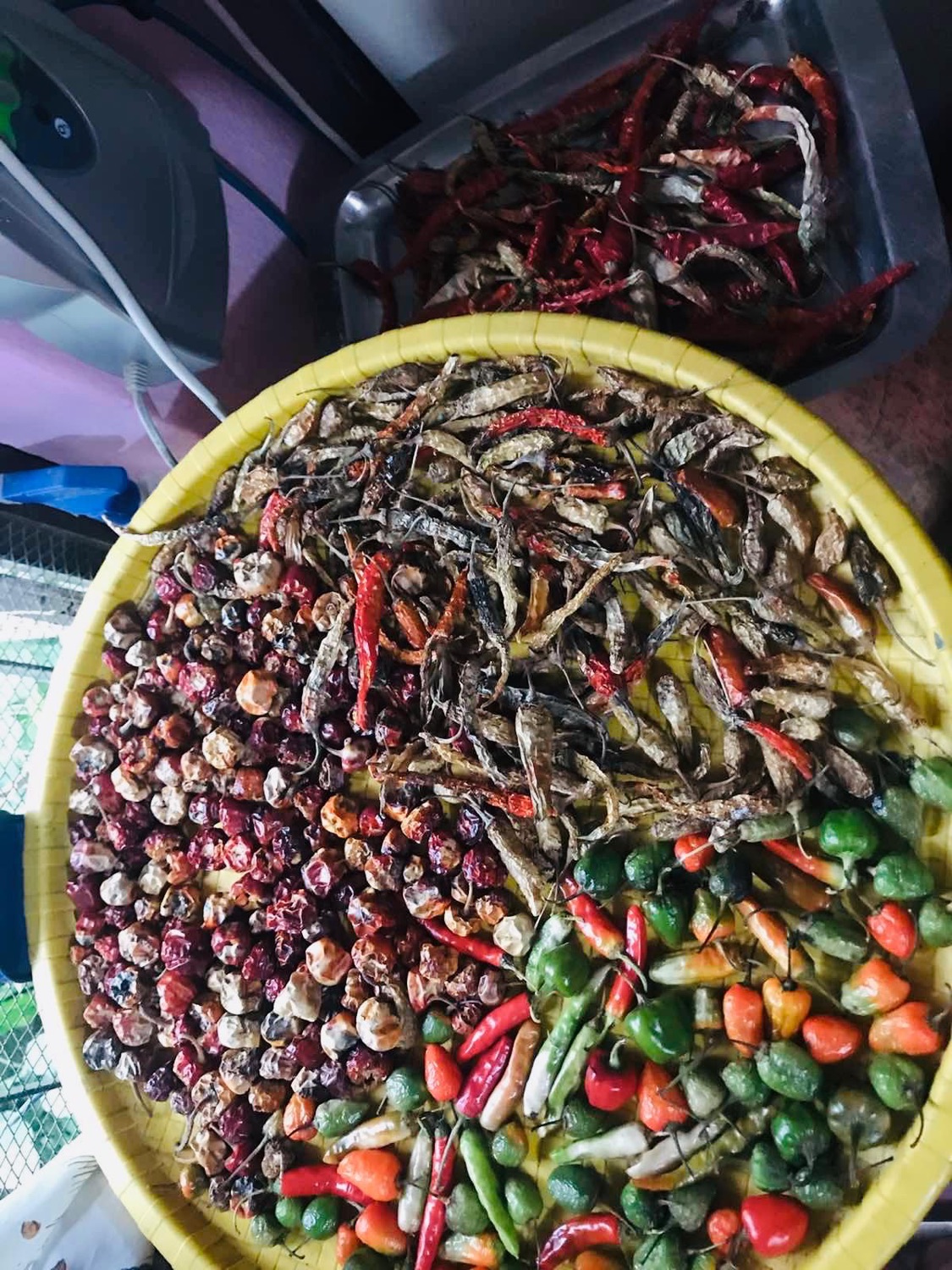
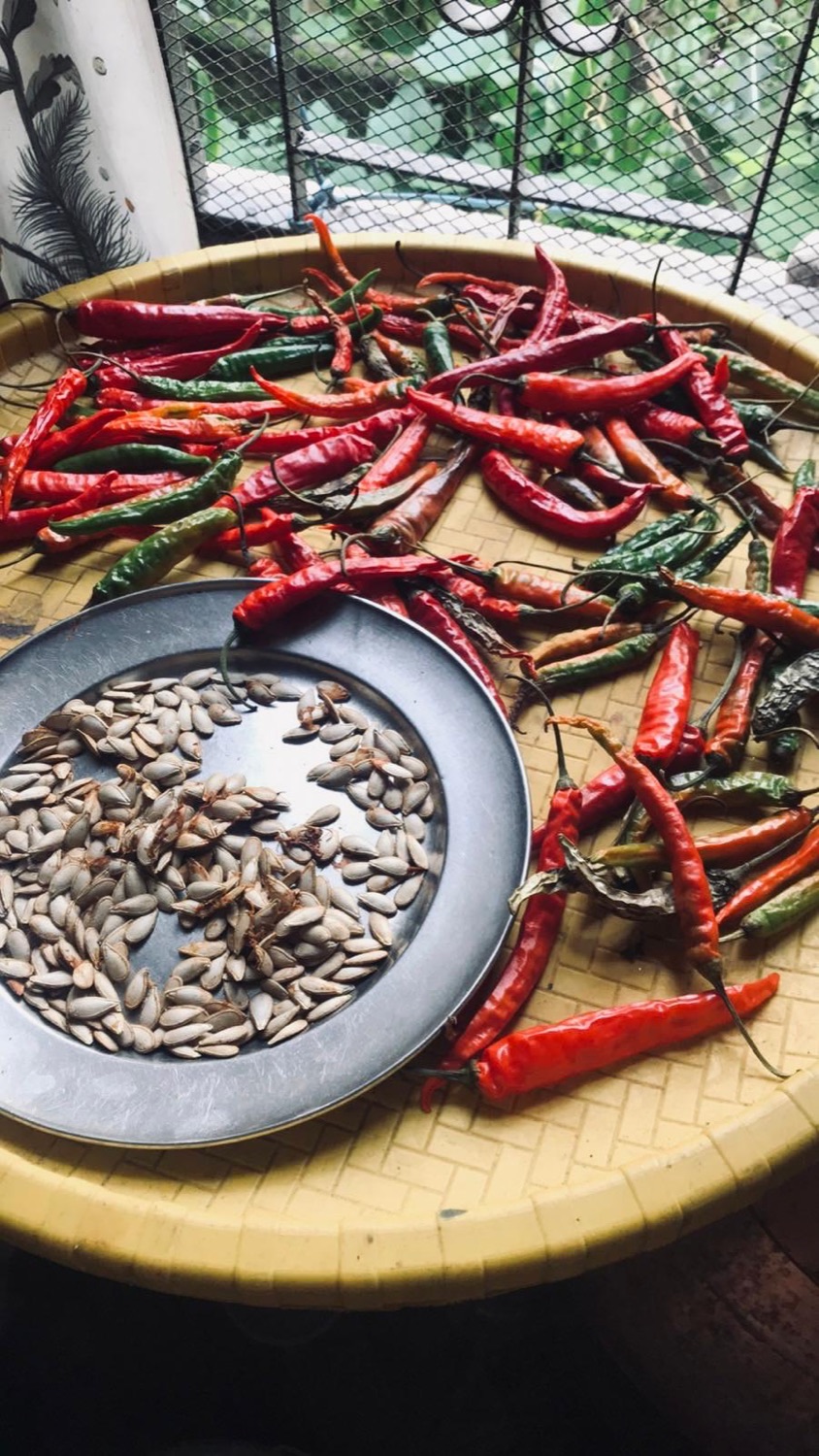
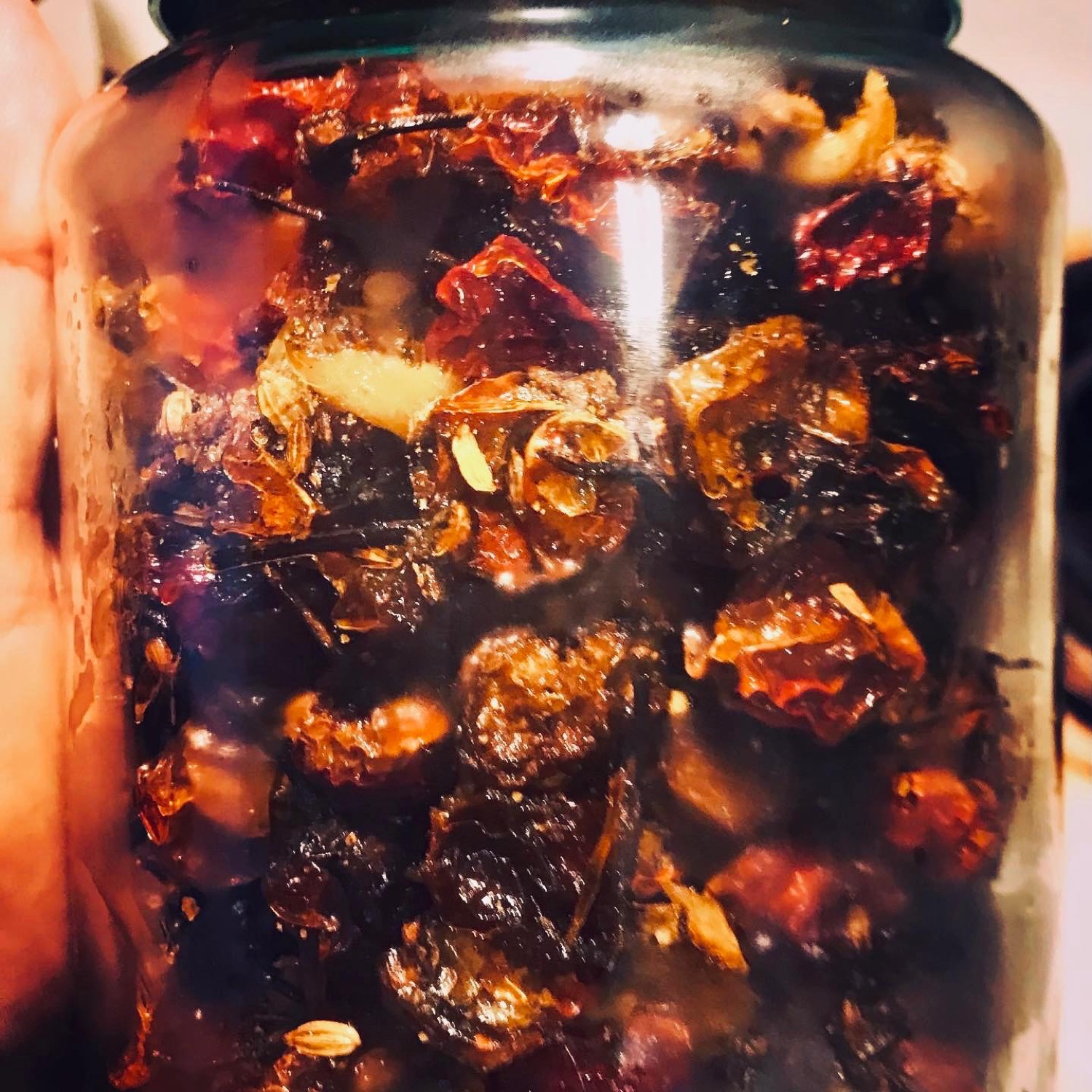
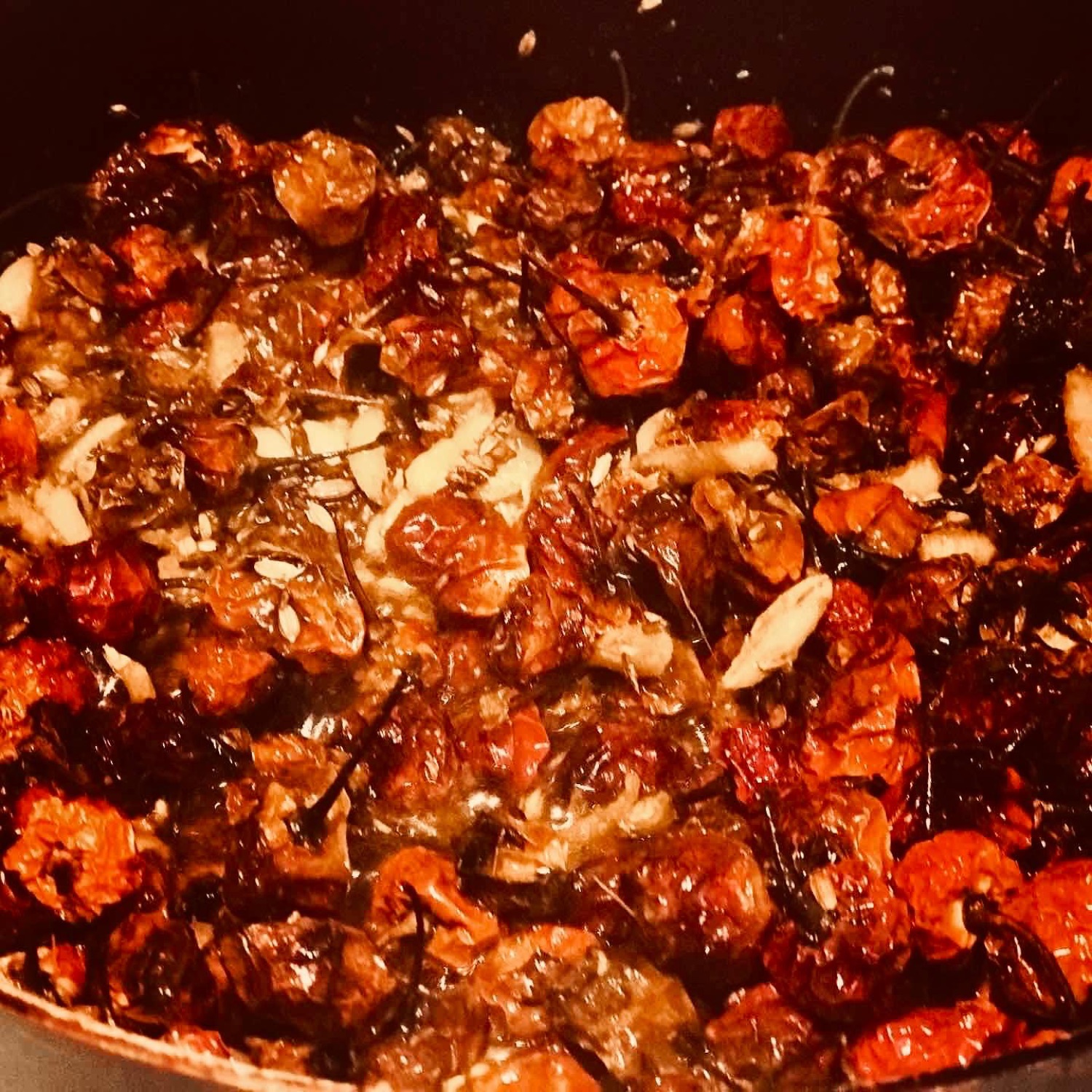
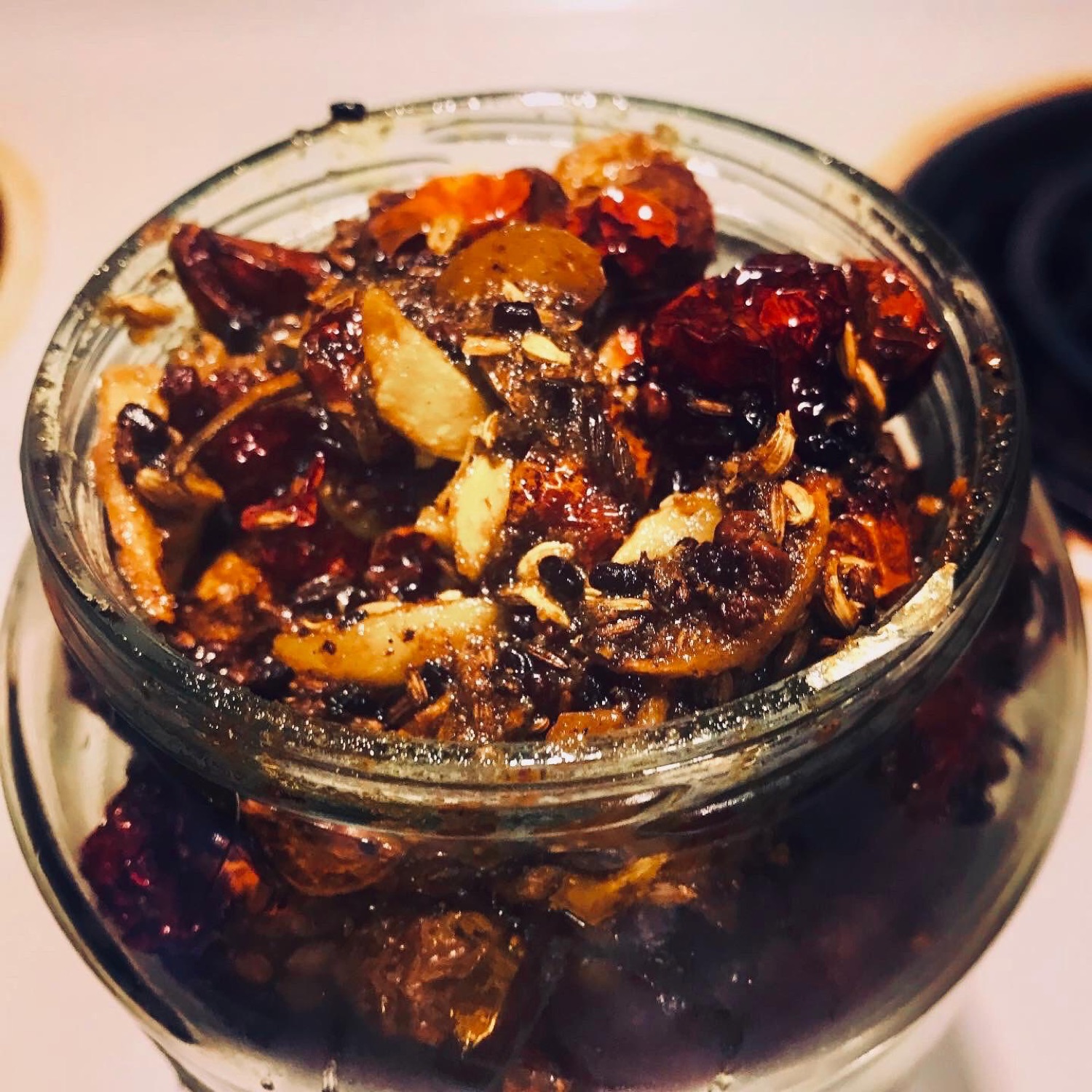
The insult did not survive; the food did. Gundruk is now on the national table, dhido is served in Kathmandu restaurants at tourist prices, and the achar jars below — sun, salt, oil, patience — are the same preservation science that kept mountain households alive through every winter the state ignored them.
The not-so-everyday kitchen
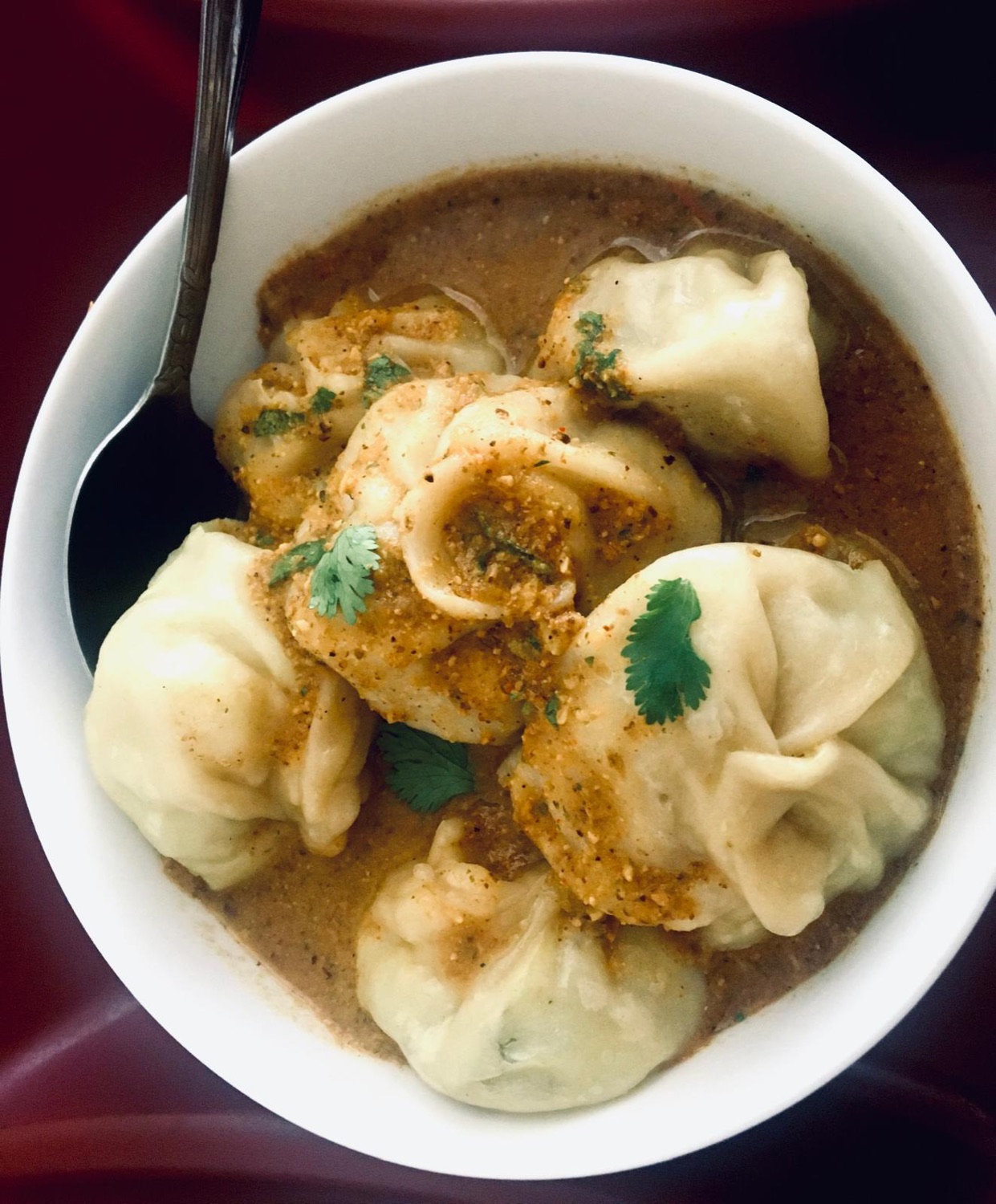
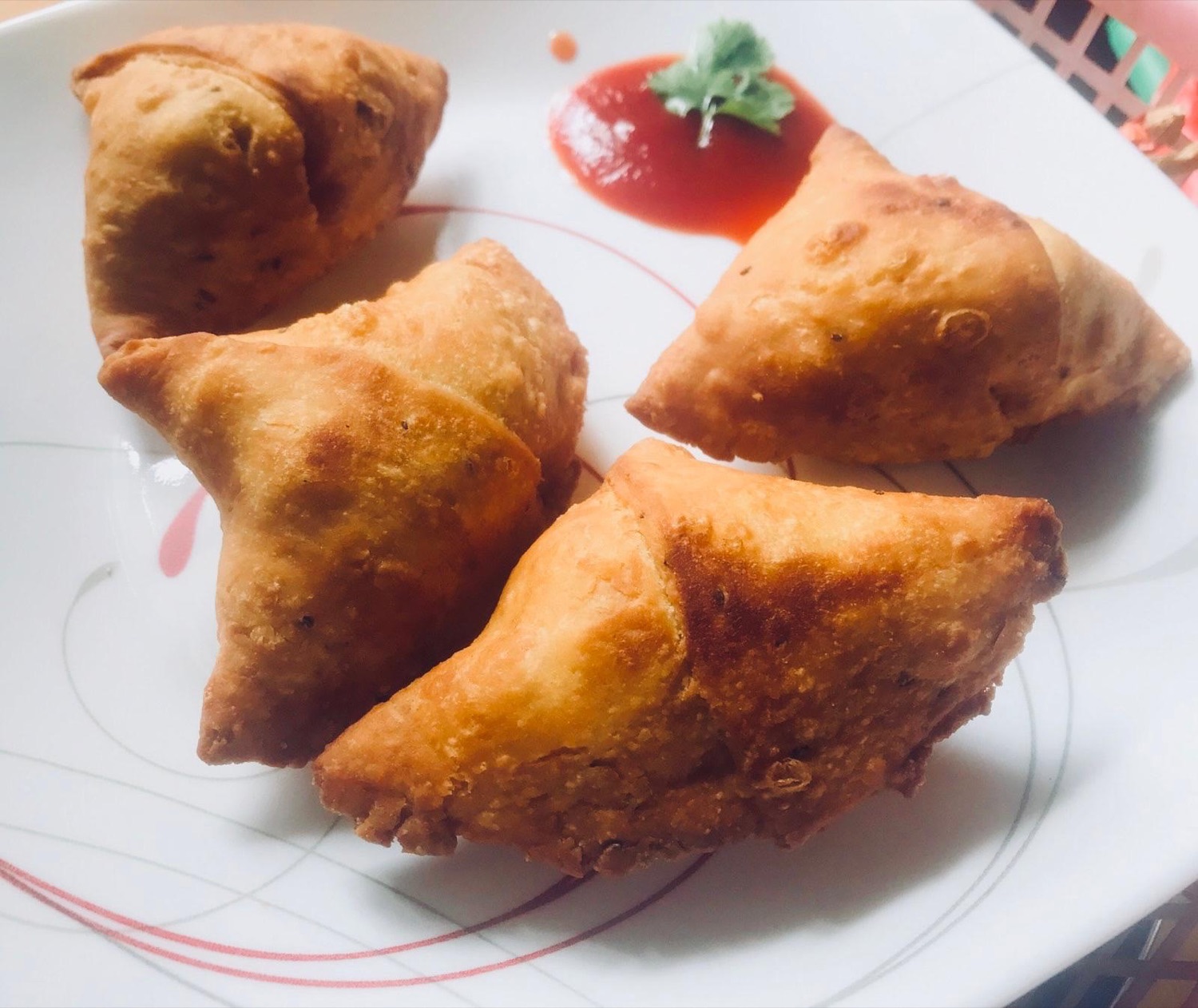
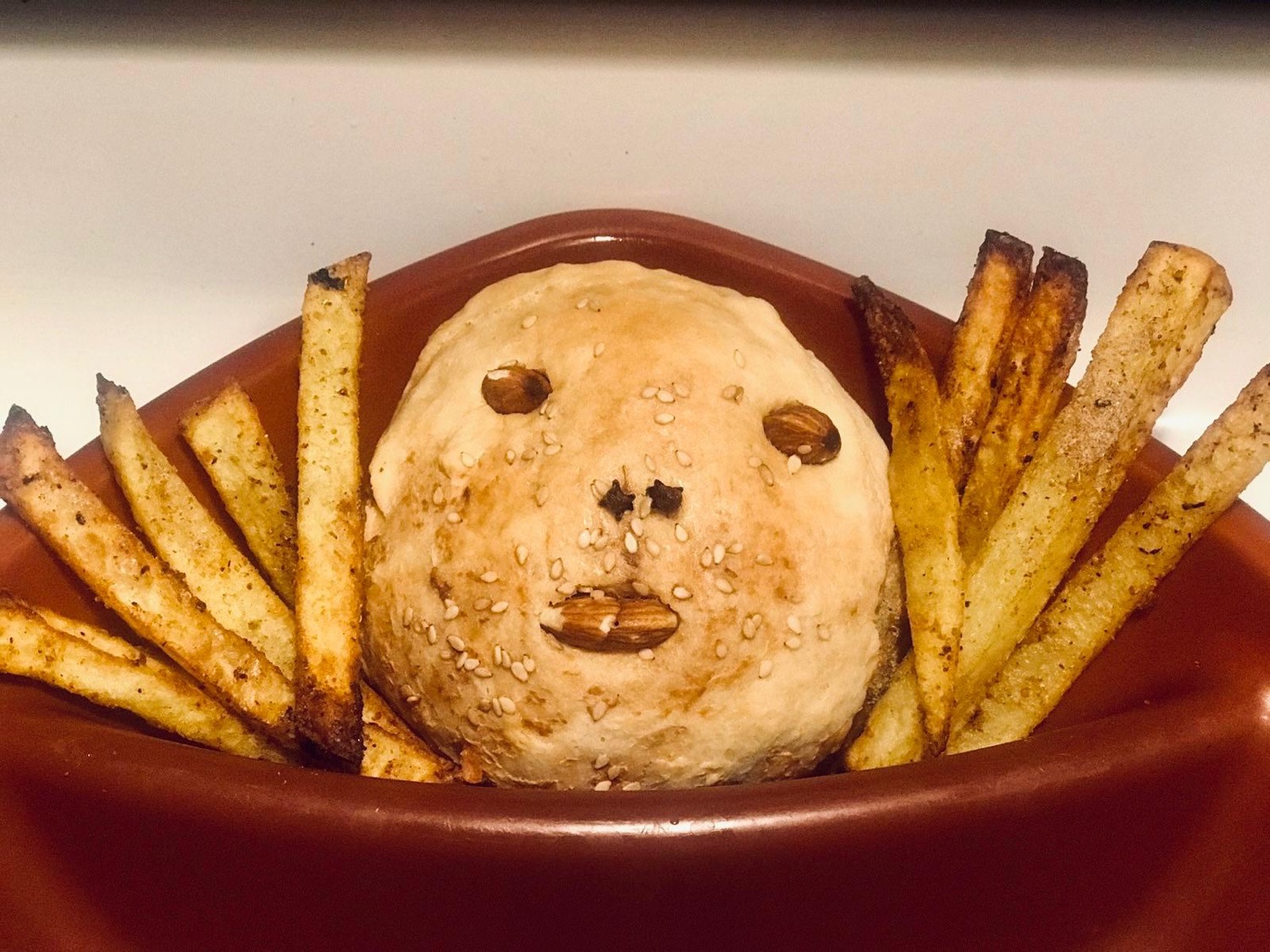
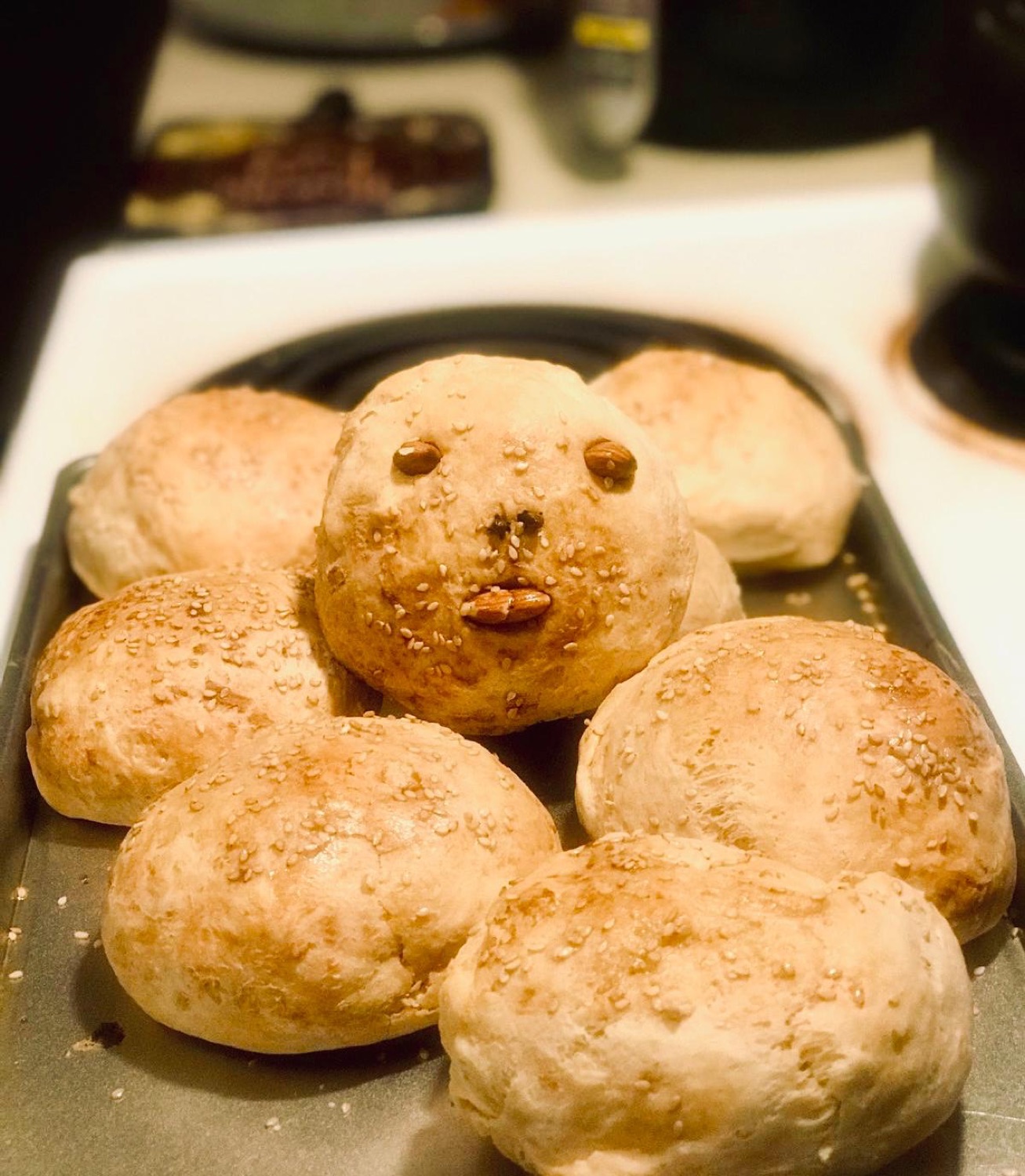
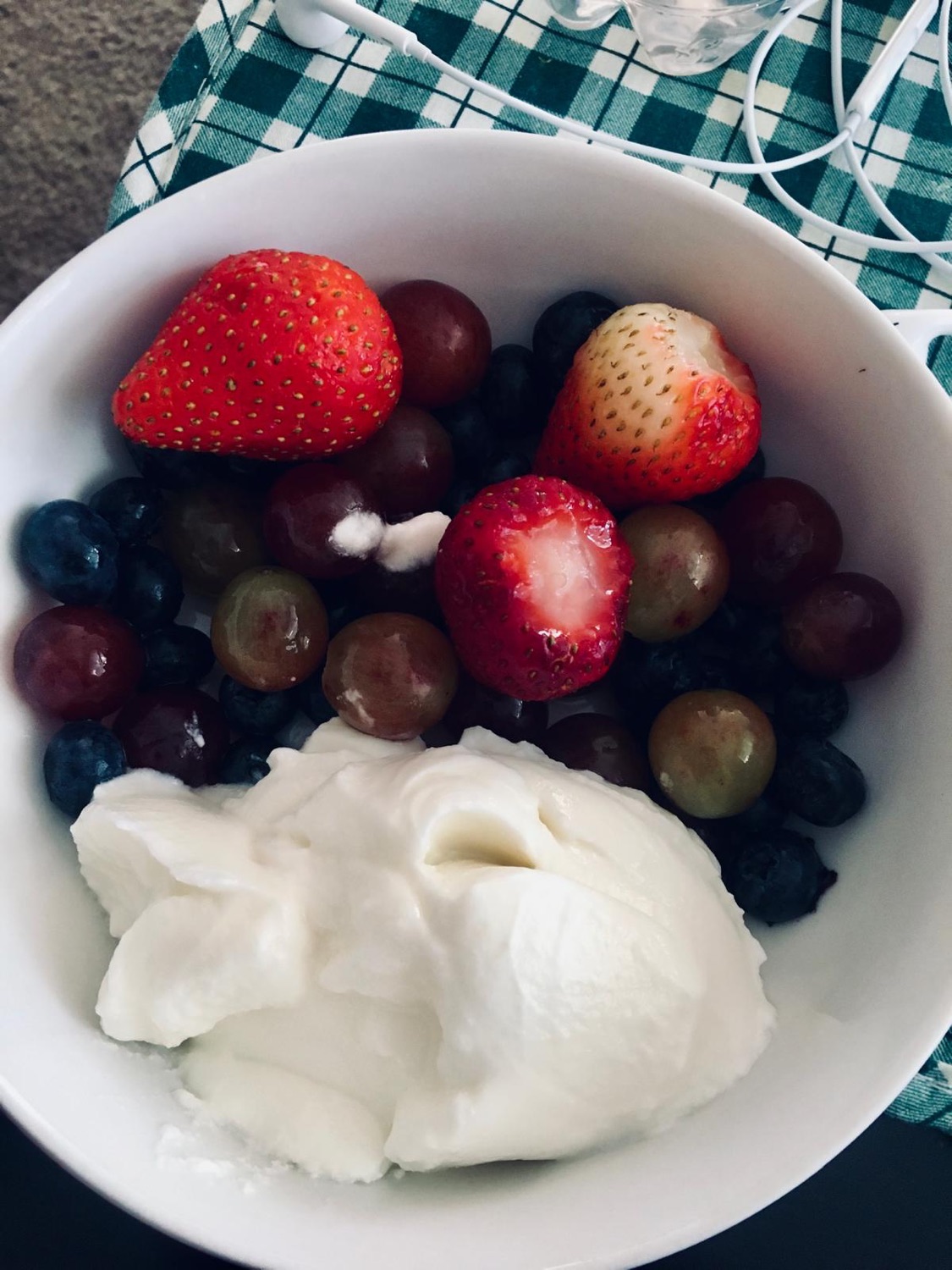
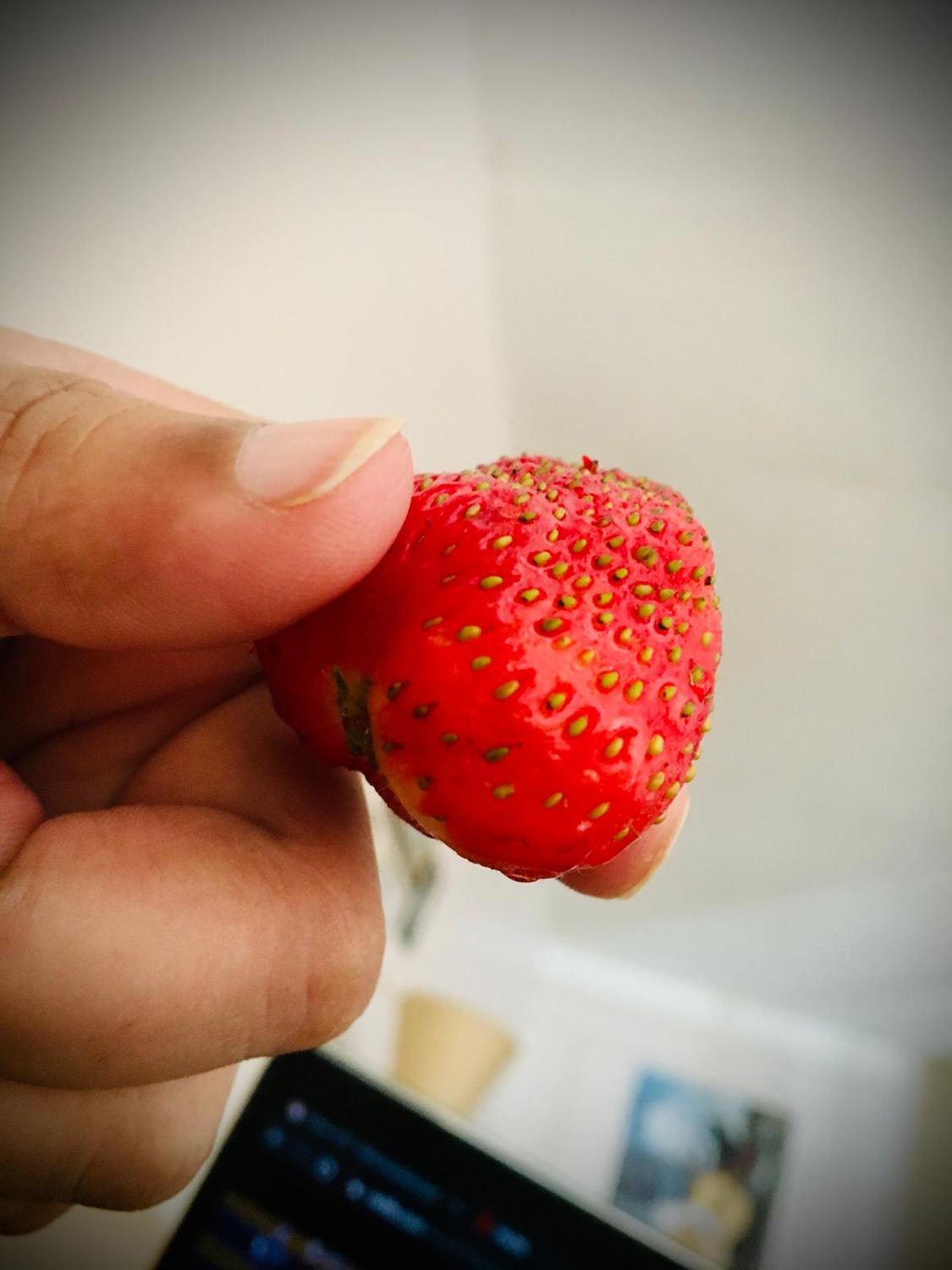
The momo itself is a border-crosser — carried between Lhasa and Kathmandu by Newar trade caravans, wrapped in a Tibetan name, perfected in Nepali jhol. The chili in the achar is Mesoamerican; the samosa's geometry is Central Asian; the strawberry and the sesame roll are newer migrants still. A kitchen, unlike a legal code, has never respected a boundary. When this one bakes bread with a face on it, or drafts a jalapeño to do a khursani's job in a foreign city, it is doing what Nepali kitchens have always done: taking what arrives, feeding whoever is at the door, and keeping the record — दैनिक र त्यति दैनिक नभएको — one plate at a time.

Sources & further reading
- András Höfer, The Caste Hierarchy and the State in Nepal: A Study of the Muluki Ain of 1854 (1979)
- John Whelpton, A History of Nepal (2005) — Sugauli, Gurkha recruitment, state formation
- Caste-Based Discrimination and Untouchability (Offence and Punishment) Act, Nepal, 2011
- Reporting on the Rukum West killings of Nawaraj BK and five others, Kathmandu Post / The Record, May–June 2020
- Scholarship on Tharu displacement from Chitwan National Park and the kamaiya system (abolished 2000)
All photographs — Udeep's kitchen & garden. सबै तस्बिरहरू — उदीपको भान्सा र करेसाबारीबाट.